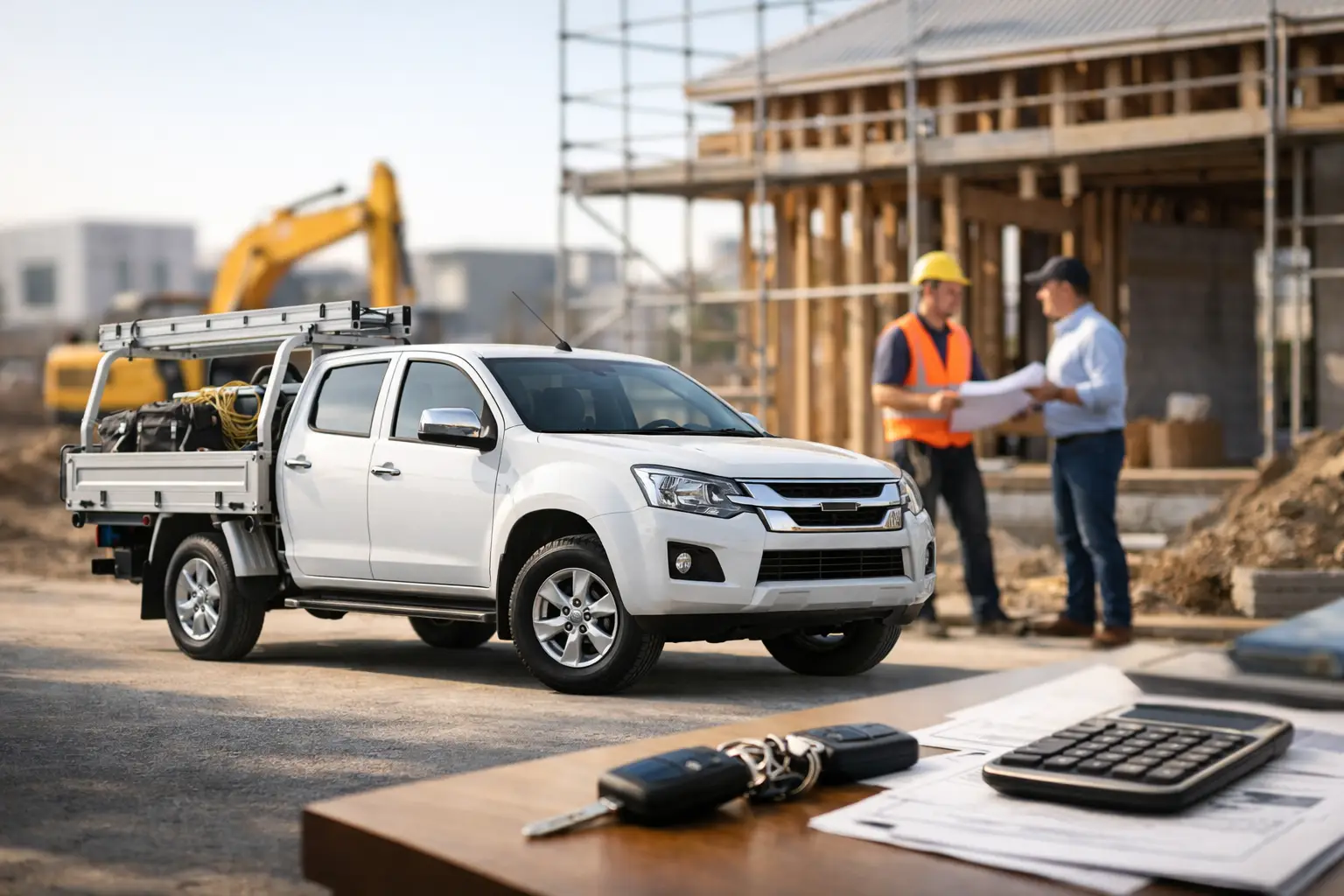
A ute is not a reward for a good year. For most tradies, it is the vehicle that gets you to site, carries the gear, supports the crew and puts invoices on the board. This tradie ute finance guide is about making that purchase work for the business, rather than putting unnecessary pressure on cash flow.
The right finance can preserve working capital for wages, materials and the next job. The wrong structure can leave you paying too much, tied to the wrong vehicle or short on flexibility when work ramps up. The goal is simple: secure a ute that earns its keep, on terms that suit how your business actually operates.
Start with the job your ute needs to do
Before comparing repayments, be clear about the asset. A sole operator carrying tools has different needs from a plumbing business towing equipment or a building company moving a crew between sites. Payload, towing capacity, tray configuration, canopy, fit-out, fuel use and safety features all affect the real cost of ownership.
A cheaper ute is not automatically the better business decision. If it cannot carry the tools, tow the trailer or meet site requirements, it becomes an expensive compromise. Equally, avoid paying for a top-spec model if its features will not add capability, reliability or resale value for your operation.
New, demonstrator and used utes can all be financed. A new vehicle may offer warranty certainty and easier lender appetite, while a quality used ute may lower the purchase price. The trade-off is that older assets can attract a shorter loan term, different lending criteria or a higher rate. What matters is the total business case, not just the sticker price.
Tradie ute finance guide: choose the right structure
Vehicle finance is not one-size-fits-all. The best option depends on your business structure, GST position, cash flow, how long you intend to keep the ute and whether you want to own it outright at the end.
Chattel mortgage
A chattel mortgage is a common choice for businesses buying a ute primarily for business use. The business owns the vehicle from the start, while the lender takes security over it until the loan is repaid. Terms can be structured with a deposit, regular repayments and, where appropriate, a balloon payment at the end.
This structure can suit operators who want ownership, may be eligible to claim GST in line with their tax advice, and want the ability to tailor repayments around the business. A balloon can reduce monthly repayments, but it is not free money. You need a clear plan to refinance, trade in or pay out that residual amount at the end of the term.
Finance lease
With a finance lease, the lender owns the ute and your business makes lease payments for its use. At the end of the term, there is typically a residual value to manage. Depending on the arrangement, you may pay it out, refinance it, trade the vehicle or return it if the agreement allows.
A lease can work well where cash flow predictability matters and the business prefers to upgrade vehicles regularly. However, the end-of-term options, kilometre expectations and residual obligations deserve close attention. Do not focus only on the low-looking repayment and ignore the final figure.
Hire purchase and other commercial arrangements
Hire purchase can also suit businesses that want a straightforward path to ownership through fixed repayments. The lender retains ownership until the final payment is made, then title transfers to the business. Some lenders may also offer tailored commercial structures for established businesses, fleets or specialised fit-outs.
Your accountant should guide you on tax treatment. Your broker should make sure the finance structure itself supports that advice and the operational realities of your business. Those are separate jobs, and both matter.
Look beyond the advertised rate
A sharp rate gets attention, but the rate alone does not tell you what the ute will cost. The term length, fees, balloon, repayment frequency and any early payout conditions can change the outcome significantly.
A longer term may ease monthly pressure, which can be useful during a growth phase or seasonal slowdown. It may also mean paying more interest overall. A shorter term can clear the debt faster but leaves less room in the monthly budget. There is no universal right answer. A sparky with reliable maintenance contracts may be comfortable with higher repayments, while a builder managing uneven progress payments may value more breathing room.
Ask for the full repayment schedule and the total amount payable. Check whether repayments are weekly, fortnightly or monthly, and align them with how your customers pay you. If most invoices land at month-end, a monthly repayment may make administration cleaner. If cash comes through steadily every week, a weekly structure can feel more natural.
Also factor in the cost of the fit-out. Toolboxes, trays, canopies, ladder racks, tow bars, signage, safety equipment and vehicle tracking can be essential rather than optional. In many cases, these items may be included in the funding request where they are supplied with the vehicle or form part of the asset package. Get this clarified before you sign a purchase order.
Protect working capital, not just your deposit
Paying cash for a ute can feel safe, especially after a strong run of jobs. But draining the bank account to avoid finance can leave the business exposed when a supplier bill, BAS payment, payroll run or unexpected repair arrives.
The smarter question is not always, “Can I pay cash?” It is, “What will this decision leave the business able to do next?” If financing the vehicle allows you to keep capital available for profitable work, stock, labour or marketing, the finance may support growth rather than simply create a debt.
That does not mean borrowing the maximum amount available. A sensible deposit can reduce repayments and interest, provided it does not strip the cash buffer your business needs. The right balance is based on the strength and consistency of your cash flow.
Get your application ready before the ute is sold
Good utes move quickly, particularly models with the right tray, towing capacity and service history. Having your paperwork organised puts you in a stronger position to act when the right vehicle appears.
Lenders commonly want identification, business details, ABN information, vehicle details or a tax invoice, and evidence of income or trading history. The exact requirements vary. A newer ABN, previous credit issue or irregular income does not automatically rule you out, but it can affect which lenders are suitable and what supporting information will strengthen the application.
Be upfront about the full picture. A finance application is easier to structure when the lender understands your time in business, current commitments, work pipeline and why the ute is necessary. Trying to hide an issue usually costs time and can weaken your position.
For businesses with more complex circumstances, broad lender access matters. One lender may decline based on a rigid policy, while another may take a more practical view of your current trading position and asset security. That is where a broker should earn their keep: not by sending your application everywhere, but by presenting it to the lenders most likely to say yes.
Do not forget insurance and downtime risk
A financed ute should be properly insured from day one. Comprehensive cover, appropriate business use, tool cover where required, and the right agreed or market value settings can all make a difference when something goes wrong. If the ute is written off or stolen, a gap between the insurer payout and the finance balance can become a painful problem.
Consider how the business would operate without the vehicle for two weeks. Hire vehicle cover, roadside assistance and a plan for tools and equipment can be just as valuable as shaving a few dollars off a premium. The ute is a revenue-producing asset. Protect the income it helps generate.
Buy with a clear exit plan
Before signing, decide what you expect to do at the end of the finance term. Keep the ute, sell it, trade it in or roll into a newer vehicle? This decision shapes whether a balloon is sensible and how aggressively you should repay the loan.
A well-structured deal gives you a capable ute now without boxing in the business later. At Co-Pilot, that means looking at the vehicle, your cash flow and the approval path together, then fighting for the yes with lenders that suit the deal.
Your ute should help you take on better work, turn up prepared and keep the business moving. Set the finance up properly, and it becomes a tool for growth rather than another bill competing for attention.