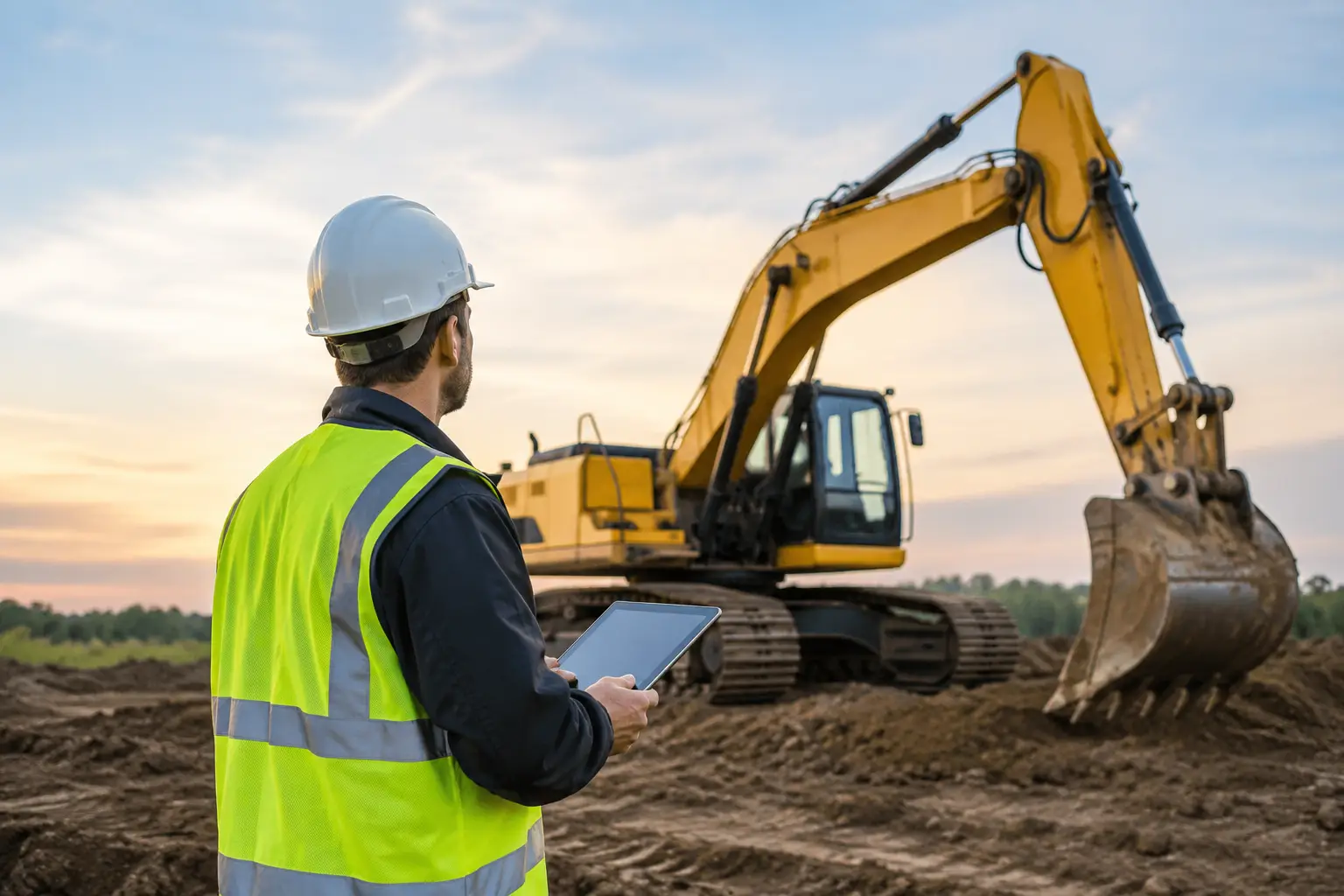
A machine sitting in a supplier’s yard does not produce revenue. On site, it can be the difference between taking on a larger contract and watching the work go elsewhere. Plant machinery finance gives Australian operators a way to put essential equipment to work without draining the cash needed for wages, materials, fuel and day-to-day operations.
For earthmoving businesses, civil contractors, landscapers, quarry operators, agricultural businesses and trades firms, the right machine is not a nice-to-have asset. It is capacity. The finance structure matters because a repayment that looks manageable in a quiet month can become pressure when a customer pays late, wet weather stops work or a new project takes longer to mobilise than expected.
Plant Machinery Finance Is About More Than the Rate
The headline interest rate matters, but it is only one part of the deal. A finance facility needs to suit the machine, the work pipeline and the way your business receives income. A five-year term may reduce monthly repayments, for example, but it can leave you paying for equipment beyond the point where it is commercially useful. A shorter term may cost more each month but build equity faster and reduce total interest.
Good plant machinery finance starts with a practical question: what will this machine earn, and when? If a 20-tonne excavator is heading straight into a secured contract, the case may be very different from buying it speculatively for future demand. Lenders look at the asset, your trading history, cash flow, existing commitments and the strength of the overall application. The best structure presents that story clearly.
It also considers the asset itself. New machinery, demonstrator models and late-model used equipment can be easier to finance than older plant with uncertain resale value. That does not mean older machinery is impossible to fund. It means the lender, term, deposit and security requirements may need more careful attention.
Choose a Structure That Fits the Machine and the Business
There is no single best option for every operator. The right facility depends on whether you want ownership from day one, how long you expect to keep the machine and whether you need to preserve cash for growth.
A chattel mortgage is a common option for businesses buying plant. The business owns the equipment while the lender takes security over it. This can suit operators who want the asset on their balance sheet and may have tax and GST considerations to discuss with their accountant.
A hire purchase arrangement can also allow a business to acquire the machinery through fixed repayments over an agreed term. At the end of the arrangement, ownership typically transfers once all obligations are met. It can provide certainty for businesses that value a defined repayment schedule.
Finance leases may suit businesses that want to use equipment without owning it immediately. Depending on the agreement, there may be a residual value or end-of-term option to manage. This can work well where machinery is regularly upgraded, although it is crucial to understand the residual obligation before signing.
Operating leases can be relevant for certain assets and circumstances, particularly where flexibility and replacement cycles matter more than long-term ownership. The terms vary significantly, so the detail matters more than the label.
A balloon or residual payment can lower regular repayments by deferring an agreed amount to the end of the term. That can protect working capital while the machine starts generating income. The trade-off is clear: the final payment must be planned for. It should reflect a realistic expected value of the machinery, not simply be set high to make the monthly figure look attractive.
Match Repayments to Real Cash Flow
Plant is often bought at the point of growth, which is also when cash flow is under the most strain. You may be hiring operators, carrying more fuel, ordering parts and waiting on larger invoices to clear. Financing the full purchase price can preserve cash, but a deposit can improve the approval position and reduce repayments. The answer depends on the cash buffer left after settlement, not just how much is available in the bank that day.
Seasonality should also shape the conversation. A business working heavily in agriculture, local government projects or weather-sensitive construction may not earn evenly every month. In some cases, tailored repayment timing can be worth more than a marginally cheaper rate. A facility that recognises the rhythm of the business is easier to service and less likely to become a distraction.
Be realistic about all ownership costs. The repayment is only part of the equation. Transport, attachments, servicing, tyres or tracks, registration where applicable, operator costs, downtime and insurance all affect the true monthly cost of running plant. A machine that is cheap to buy but difficult to maintain can quickly become expensive.
What Strengthens a Plant Finance Application
Fast approvals are possible when the application is complete and the deal is structured properly from the start. Lenders want confidence that the machine is appropriately valued, the borrower can meet repayments and the purchase makes commercial sense.
Useful information usually includes recent business financials or bank statements, identification, details of existing finance, the supplier quote or invoice, and clear information about the equipment. For used machinery, the make, model, year, hours, serial number and condition can all matter. If the machine is tied to a new contract, providing evidence of that work can help demonstrate repayment capacity.
Credit history also matters, but it is not the whole story. A past default, tax debt, uneven trading period or thin financials may narrow the lender pool, yet it does not automatically end the conversation. The right lender may place more weight on current turnover, asset quality, security, a deposit or the strength of contracted work. That is where careful advocacy earns its keep.
Avoid submitting scattered applications without a plan. Multiple enquiries and poorly explained information can create friction just when you need a decision quickly. A broker who understands equipment finance can position the application to lenders that are genuinely suited to the asset and borrower profile.
New, Used and Private-Sale Machinery Need Different Approaches
A new machine from an established dealer is generally straightforward because its value and history are easy to verify. Dealers may also have manufacturer-backed offers, but these are not always the strongest overall solution once term, fees, balloon and flexibility are considered.
Used plant can represent excellent value, particularly when it has been well maintained and has a strong resale market. However, lender appetite often changes with the age and hours of the equipment. Some lenders apply maximum age limits at the end of the finance term. Others may require a larger deposit, shorter term or valuation.
Private sales need extra care. The price may be attractive, but the buyer must confirm ownership, encumbrances, serial numbers, condition and whether the machinery is fit for the intended work. Finance can still be available, but documentation and verification become even more important. Saving money on purchase price is pointless if the asset carries hidden problems or cannot be funded on workable terms.
Do Not Treat Insurance as an Afterthought
Financing plant creates an obligation, but the machine still needs to be protected if it is damaged, stolen or causes loss. Comprehensive plant and equipment cover, liability protection and business interruption considerations can all be relevant depending on the operation. A lender may require proof of insurance before settlement, but the bigger issue is protecting the revenue the machinery is meant to produce.
Check that the sum insured reflects replacement cost or agreed value as appropriate, and understand exclusions around theft, unattended equipment, transport, flood exposure, operator use and hired-in plant. The cheapest policy is not a win if it leaves a major gap when a machine is off the road.
Make the Machine Earn Its Approval
The strongest finance decision is not simply getting approved. It is securing equipment on terms that let the business perform. That means considering the machine’s earning capacity, likely utilisation, maintenance plan, resale value and the cash flow needed around it.
If the deal is time-sensitive, move early. Get the quote, gather the supporting documents and map out the expected work before the auction closes or another buyer takes the machine. Co-Pilot fights for the yes by putting the commercial story in front of the right lenders, then pushing for a structure that keeps your business moving rather than tying it down.