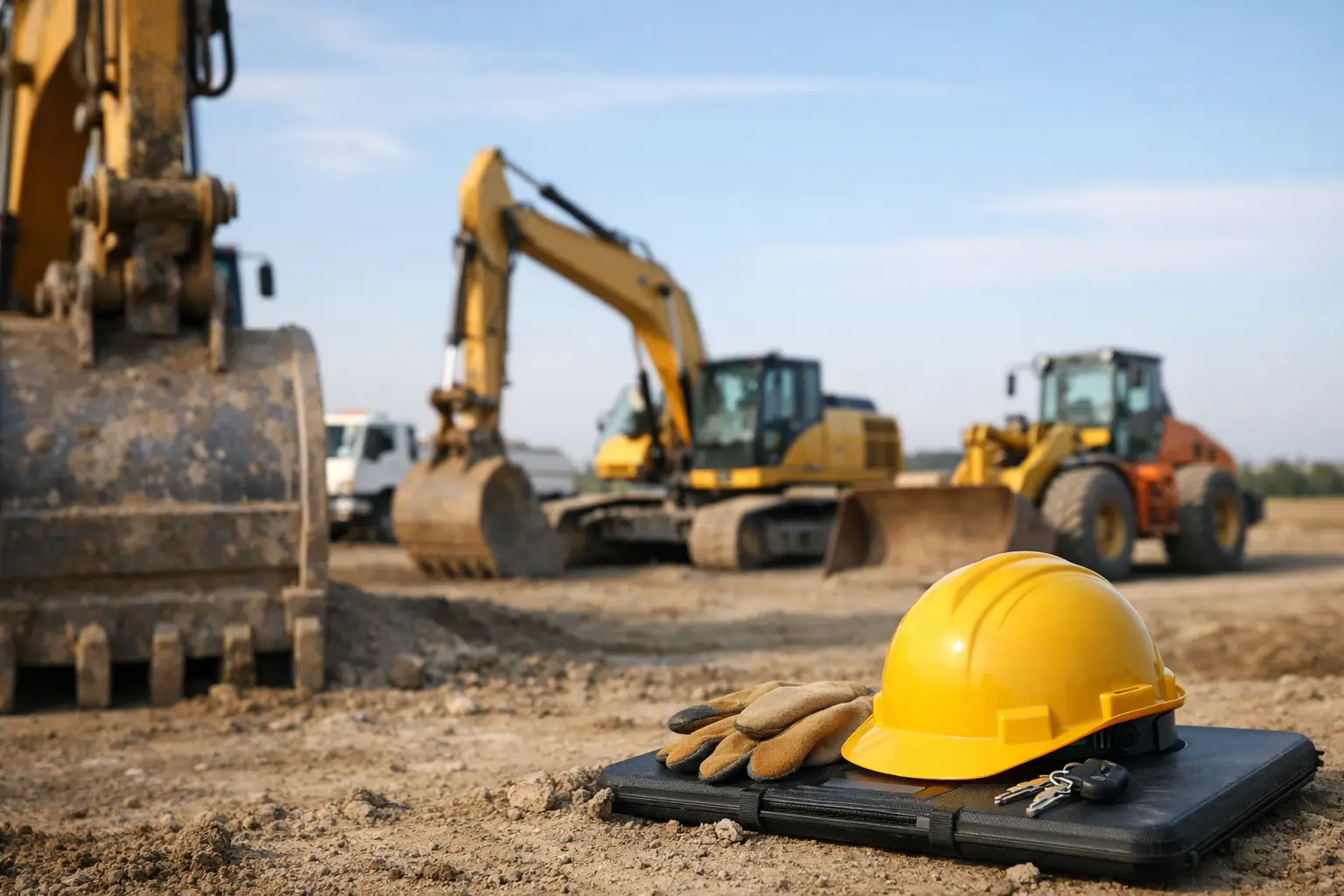
A stolen excavator, a damaged scissor lift or a compressor written off in a workshop fire can stop revenue fast. Plant and equipment insurance is designed to protect the machinery your business relies on, so one incident does not turn into missed jobs, unhappy clients and a major hit to cash flow.
For Australian operators, this cover is not about ticking a box. It is about protecting your ability to deliver. Whether you run a construction crew, civil operation, transport business, manufacturing site, landscaping company or trade business, the right policy can help keep work moving when equipment is damaged, stolen or destroyed.
What plant and equipment insurance can cover
Plant and equipment insurance generally protects mobile and fixed business assets used to perform work. That may include excavators, skid steers, loaders, forklifts, cranes, generators, compressors, bobcats, concrete equipment, access gear, specialised tools and machinery installed at your premises.
The scope of cover varies between insurers and policies. A properly structured policy can respond to accidental damage, fire, storm damage, theft, vandalism and damage while equipment is being transported. Some policies can also include hired-in plant, attachments, electronic equipment, and the cost of removing damaged machinery after an insured event.
The detail matters. A basic policy may look cheap until you discover it excludes equipment left at an unsecured site, has a restrictive limit for tools, or does not cover an attachment that carries serious replacement value. The policy needs to reflect the way your operation actually works, not the way an insurer assumes it works.
Mobile plant is not the same as a ute
Businesses often assume all their equipment sits comfortably under a vehicle policy, a business pack or a general property policy. That assumption can create a costly gap.
A ute, truck or trailer needs its own appropriately structured motor or fleet cover. Mobile plant may need cover for its specific operating risks, including overturning, impact, accidental damage at a worksite and theft from a yard or remote location. Fixed machinery may require different consideration again, particularly where breakdown risk, electrical damage or production interruption is involved.
Insuring everything under one broad description can be tempting. It is rarely the strongest approach. Clear asset schedules, correct values and policy wording built around each category give you a far better position if a claim lands on your desk.
Why downtime is often the real cost
The replacement cost of a machine is obvious. The cost of having it off the job is easier to miss.
If an excavator is damaged on Monday and your replacement hire unit cannot arrive until Thursday, you may lose more than three days of production. You could be paying an idle crew, missing project milestones, hiring emergency equipment at a premium and risking a strained relationship with the principal contractor. For a business working on tight margins, those indirect costs can hurt more than the repair bill.
This is why some businesses consider consequential loss, increased cost of working or hire-cost extensions, where available and suitable. These features are not automatically necessary for every operator. A sole trader with a readily available backup machine has a different risk profile from a contractor with a specialised asset booked across multiple sites. But the question should be asked before the loss, not while the machine is sitting in a repair yard.
Getting the sum insured right
Underinsurance is one of the most common weaknesses in plant cover. Asset values move, machines are upgraded, attachments are added and replacement costs rise. If your schedule still reflects what you paid five years ago, it may not reflect what it costs to put an equivalent machine back to work now.
The appropriate value depends on the policy basis. Some policies settle on market value, while others may offer new-for-old replacement for qualifying equipment. Market value can keep premiums lower, but it may leave you with a shortfall if you need newer machinery to meet current job requirements. New-for-old cover can provide stronger replacement protection, although it usually comes with eligibility rules, asset age limits and a higher premium.
Do not simply nominate the value you would like to pay premium on. Consider the realistic cost to replace the asset, source it, transport it and fit the attachments needed to return it to service. Then review those figures at least annually, and after any major purchase or upgrade.
The exclusions that deserve your attention
Insurance is not a maintenance contract. Wear and tear, gradual deterioration, rust, corrosion and mechanical breakdown are commonly excluded or limited. Damage caused by poor maintenance, inappropriate operation or known defects may also create problems.
That does not make the cover less valuable. It means you need to separate the risks you can insure from the risks you need to manage operationally. Scheduled servicing, site security, operator training and clear handover procedures remain essential.
Before accepting a policy, pay close attention to the excess, theft conditions, unattended equipment requirements, geographic limits and the rules around transport. If plant travels interstate, is kept at changing sites, operates near water, or is hired out to third parties, say so. These factors can affect both cover and price.
Plant and equipment insurance for financed assets
When plant is funded through a chattel mortgage, finance lease or another asset finance arrangement, the lender will commonly require the asset to be comprehensively insured. That protects their security interest, but it should also protect your business from being left with repayments on equipment that can no longer generate income.
The finance documents may specify insurance requirements, including the insurer’s rating, the required sum insured and noting the lender’s interest on the policy. Missing these details can delay settlement or create issues when a claim is made.
Finance and insurance should be considered together. A sharp equipment finance rate does not solve the problem if the insurance schedule is inadequate. Equally, an insurance policy cannot fix a finance structure that leaves your working capital under pressure after a loss. The strongest outcome is a package built around the asset, its use and your business’s cash flow.
How to build cover that matches your operation
Start with an accurate asset register. Record make, model, serial number, year, replacement value, attachments, usual location and whether the equipment is owned, financed, leased or hired. Photographs and purchase records are worth keeping as well. They make policy placement cleaner and can make claim evidence easier to produce.
Next, look at how the equipment is used. Is it transported daily? Left on open sites overnight? Used by employees, subcontractors or customers? Is it working in a mine, on a road project, in a warehouse or on residential sites? The answer shapes the risk profile.
Then decide where you can absorb risk and where you cannot. A higher excess may reduce premium, but it must be a number your business can comfortably pay without disrupting wages, suppliers or the next job. It is a commercial decision, not just an insurance decision.
Finally, compare policy wording, not only premiums. Lower-priced cover can be the right option where the terms meet your needs. But the cheapest quote is not a win if it leaves your highest-value machine, critical attachment or biggest operational exposure outside the policy.
When it is time to review your cover
Review plant and equipment insurance before renewal, but do not wait for renewal if the business changes. New machinery, a larger contract, an additional depot, interstate work, a new hire arrangement or a change in how equipment is stored can all justify a review.
Claims history is also useful information. A theft claim may expose a security issue. Repeated accidental damage may point to training, maintenance or site-process gaps. Good insurance responds after an incident; good risk management reduces the chance of the next one.
For growing businesses, it helps to have an adviser who can challenge the assumptions, approach the market and push for terms that fit the operation. Co-Pilot fights for the yes across finance and insurance because getting equipment on site is only part of the job. Keeping it protected is what gives you the confidence to keep taking on bigger work.
Your machinery earns its keep every day. Give it cover that is equally ready to work when something goes wrong.