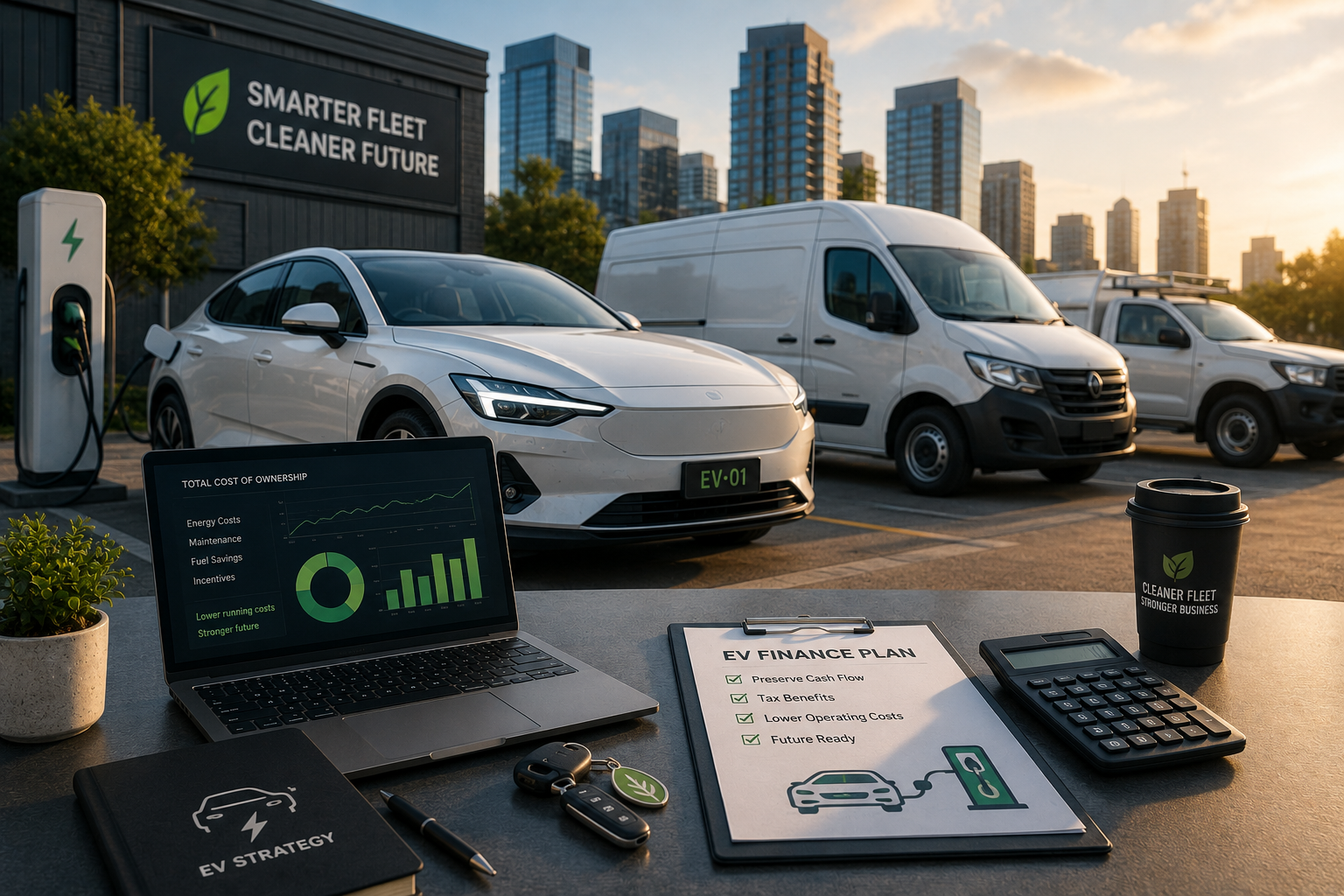
The sticker price gets the attention. The structure gets the result.
That is the real story with EV finance. Whether you are a tradie replacing diesel utes, a business owner building a cleaner fleet, or a personal buyer ready to switch to electric, the vehicle matters – but the way you fund it can shape cash flow, tax outcomes and long-term cost far more than most people expect.
Electric vehicles are no longer a fringe purchase in Australia. More businesses are looking at them because fuel bills hurt, servicing is lighter and clients increasingly care about how operators show up in market. But none of that means every EV is automatically a smart finance move. Good deals are built, not hoped for.
How EV finance works in practice
At its core, EV finance is simply funding used to buy an electric vehicle, but the structure can vary depending on who is buying, how the vehicle will be used and what matters most – monthly repayments, tax efficiency, flexibility or ownership.
For businesses, the most common options are chattel mortgage, finance lease alternatives where available, commercial hire purchase style arrangements through some lenders, and novated leasing for eligible employee use cases. For personal buyers, a secured car loan is usually the most familiar path. Each option changes the numbers in a different way.
A chattel mortgage can suit a business that wants to own the vehicle from the start while preserving working capital. The business claims eligible interest and depreciation, and GST treatment may also be relevant depending on registration and use. That can work well for operators who want control and a clear path to ownership.
A consumer car loan may be simpler, but simple is not always better if you are buying through a business. If the vehicle is tied to business operations, the wrong structure can leave tax advantages on the table or create unnecessary pressure on monthly cash flow.
Why EVs change the finance conversation
Traditional vehicle finance has always been about balancing purchase price against repayments. EVs force a wider view. The upfront cost is often higher, yet the running costs can be materially lower. That means the cheapest monthly repayment is not always the best commercial outcome.
If your current fleet chews through fuel, needs frequent servicing and spends too much time off the road, an EV may improve the total cost of ownership even if the financed amount is larger. For a business, that matters. Cash flow is not just the repayment. It is fuel, maintenance, downtime and resale risk as well.
There is also the technology question. Battery range, charging infrastructure and model availability are improving, but not evenly across every use case. A metro-based service business may be a strong fit for electric vans or passenger vehicles. A regional operator covering long distances every day may need a more cautious rollout. Finance should follow operational reality, not headlines.
EV finance for businesses: where the real wins sit
For SME owners, the strongest case for EV finance usually sits in three areas – preserving capital, matching repayments to income, and structuring debt in a way that supports growth rather than slowing it.
Paying cash for an EV might feel clean and simple, but it can also tie up funds better used elsewhere. If that cash could be deployed into staff, stock, marketing or equipment with a stronger return, financing the vehicle may be the sharper move. The point is not to avoid debt at all costs. It is to use debt with intent.
The right structure can also help align repayments with business activity. Some lenders offer flexibility around loan terms, balloon payments and asset type. That matters when you are trying to keep monthly commitments manageable without stretching the facility in a way that hurts total cost.
Then there is scalability. If you are adding multiple vehicles, fleet structuring becomes more than an admin task. It becomes a funding strategy. One poorly structured deal can be a nuisance. A poorly structured fleet can drag on working capital for years.
What lenders look at for EV finance
Lenders still assess the fundamentals. They want to see serviceability, stability and the quality of the asset being financed. For businesses, that usually means reviewing trading history, ABN and GST registration, financials or bank statements, existing liabilities and the purpose of the vehicle.
The EV itself also plays a part. Some lenders are more comfortable with established brands and models that have clearer resale data. Others have broadened their policy settings as the market has matured. If you are buying a newer or less proven model, lender appetite can vary.
Credit profile matters too, but it is not always a deal killer if the file is less than perfect. Strong recent conduct, a decent deposit, clean bank statements or a sensible explanation for past issues can still support an approval. This is where deal structuring and lender fit make a real difference. The best result is rarely found by sending the same application everywhere and hoping for the best.
The hidden trade-offs buyers miss
Lower running costs are real, but they do not cancel out every other variable. Charging setup, insurance premiums, battery warranty terms and resale confidence all deserve attention.
If your business needs charging infrastructure at home, at a depot or across multiple sites, that is part of the project cost. If drivers cannot reliably charge vehicles without disrupting operations, the finance may be fine while the rollout fails in practice.
Insurance can also differ from internal assumptions. Some EVs cost more to repair. Parts availability can affect downtime. Premiums depend on driver profile, vehicle model, usage and insurer appetite. Smart buyers price the full package before they commit.
And while EV resale values are improving as the market develops, they are still evolving. That matters if you are using a balloon or making assumptions about future trade-in value. A strong structure builds in room for reality rather than relying on best-case numbers.
How to approach EV finance without wasting time
Start with the use case, not the vehicle. What distances will it cover? What load does it carry? Where will it charge? How long will you keep it? Once those answers are clear, the finance discussion becomes sharper.
From there, decide what outcome matters most. If you want the lowest monthly repayment, the structure may look different from a deal designed to minimise total interest or maximise tax efficiency. There is no universal best option. There is only the option that best fits your commercial objective.
For businesses, prepare the file properly before applying. Current financials, recent bank statements, ID, asset details and a clear explanation of business use can speed things up materially. If the credit profile is complex, get ahead of the issue early. Lenders do not like surprises, but they will often work with a well-presented story backed by evidence.
This is also where a broker earns their keep. A good broker does not just compare rates. They position the application, match it to lender appetite and push hard when the deal is workable. That matters even more in newer segments like EVs, where policy settings and confidence levels can differ from lender to lender. Co-Pilot’s view is simple – approved is the only success.
Is EV finance worth it right now?
For many Australian buyers, yes – if the numbers stack up beyond the showroom pitch. EV finance can be a powerful tool when it reduces operating costs, protects cash reserves and supports the way the vehicle will actually be used.
But this is not a category where you should copy someone else’s decision. A city-based consultant, a plumbing business, a courier operator and a family buyer are solving different problems. The right term, deposit, lender and repayment profile will not be the same.
The buyers who get the strongest outcome are usually the ones who treat finance as part of the asset strategy, not an afterthought. They test the use case, sharpen the structure and move when the deal makes commercial sense.
If you are weighing up an electric vehicle, do not just ask whether you can afford the repayments. Ask whether the funding is set up to make the vehicle work harder for you over the next three to five years. That is where the real value sits.